Ceiling Scraping in Denver, CO
Ceiling scraping services involve the careful removal of textured or popcorn finishes from ceilings to create a smooth, clean surface. This process is often requested for renovation projects, updates to interior design, or to address damaged or outdated ceiling textures. Property owners typically seek this service when preparing a space for painting, installing new lighting fixtures, or simply aiming for a more modern, streamlined appearance in living rooms, bedrooms, or commercial spaces.
Before requesting ceiling scraping, property owners should consider the current condition of the ceiling and whether there are underlying issues such as water damage, cracks, or asbestos presence. It is also helpful to understand the scope of the project, including the size of the area to be treated and any additional finishing work needed afterward. Proper preparation and clear communication about the desired outcome can help ensure the process proceeds smoothly and meets expectations.
Many property owners in Denver, CO look into Ceiling Scraping for repairs, replacements, upgrades, and appearance-related improvements.
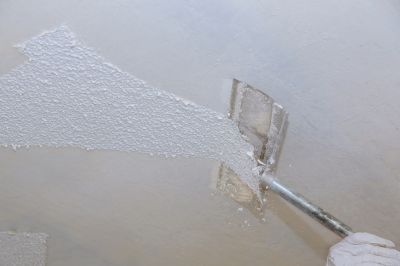
Ceiling Surface Preparation
Proper surface prep ensures a smooth and durable ceiling finish for various residential and commercial spaces.
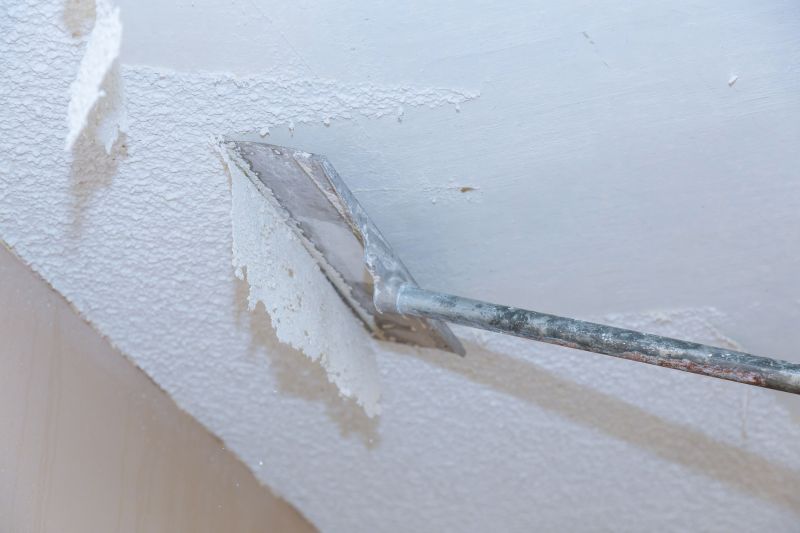
Textured Ceiling Finishes
Different textures like knockdown or popcorn can enhance the aesthetic and hide imperfections in ceilings.
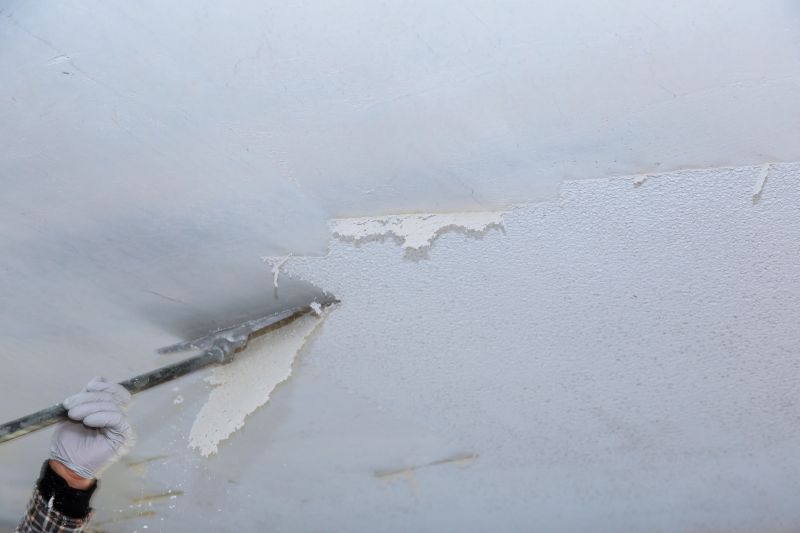
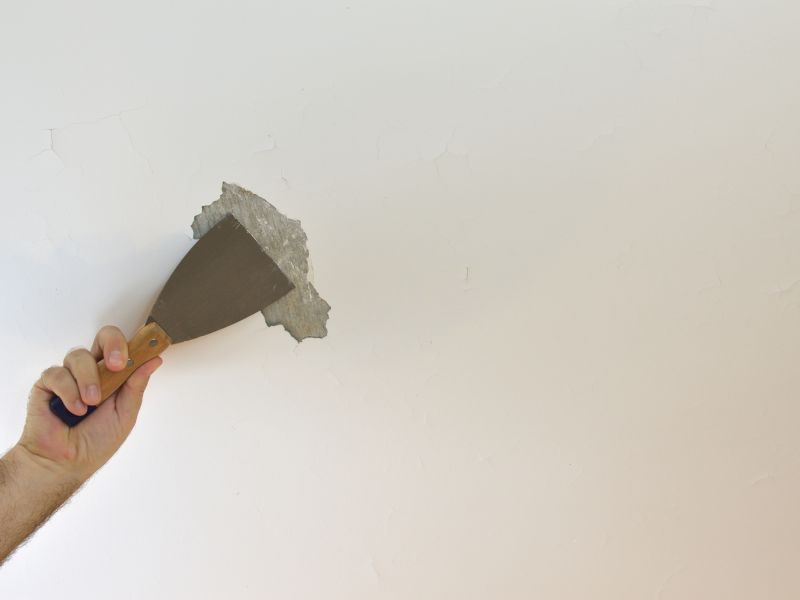
Repair And Restoration
Ceiling scraping can address cracks, stains, or damaged areas to restore a clean and uniform appearance in denver homes and offices.
Ceiling Scraping in Denver, CO

Ceiling scraping services involve the careful removal of textured or popcorn finishes from ceilings to create a smooth, clean surface. This process is often requested for renovation projects, updates to interior design, or to address damaged or outdated ceiling textures. Property owners typically seek this service when preparing a space for painting, installing new lighting fixtures, or simply aiming for a more modern, streamlined appearance in living rooms, bedrooms, or commercial spaces.
Before requesting ceiling scraping, property owners should consider the current condition of the ceiling and whether there are underlying issues such as water damage, cracks, or asbestos presence. It is also helpful to understand the scope of the project, including the size of the area to be treated and any additional finishing work needed afterward. Proper preparation and clear communication about the desired outcome can help ensure the process proceeds smoothly and meets expectations.
Many property owners in Denver, CO look into Ceiling Scraping for repairs, replacements, upgrades, and appearance-related improvements.
Common Ceiling Scraping Jobs
Ceiling scraping services - removing textured or popcorn finishes to create a smooth ceiling surface.
Ceiling renovation - updating outdated or damaged ceiling textures for a fresh look.
Ceiling repair - fixing cracks, stains, or damaged areas caused by water or age.
Ceiling smoothing - preparing ceilings for painting or finishing by eliminating surface imperfections.
Ceiling restoration - restoring historic or decorative ceiling finishes to their original condition.
Ceiling preparation - removing old coatings to prepare for new paint or finishes.
Ceiling Scraping Questions
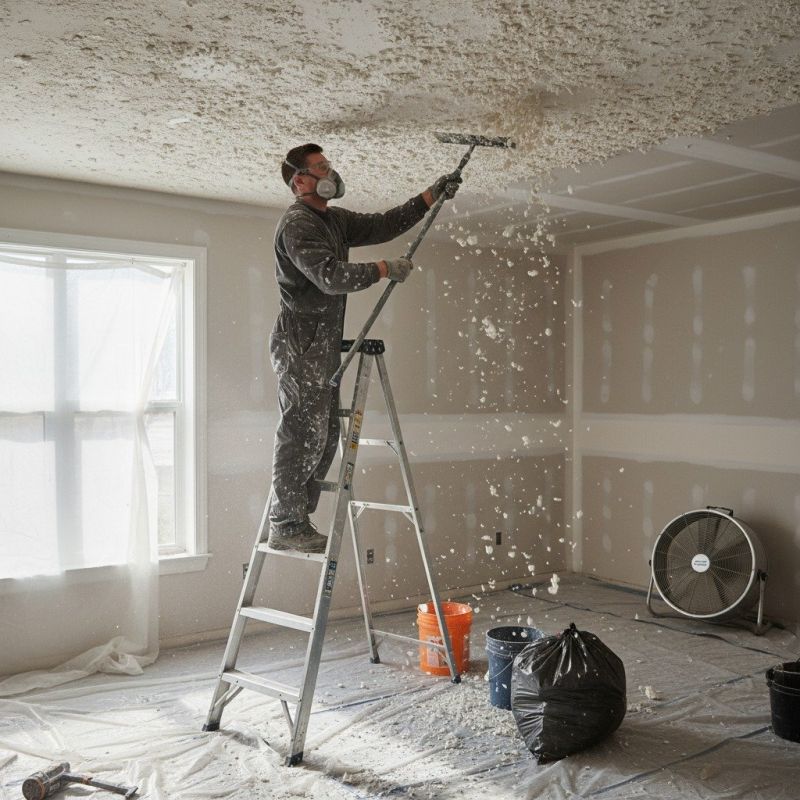
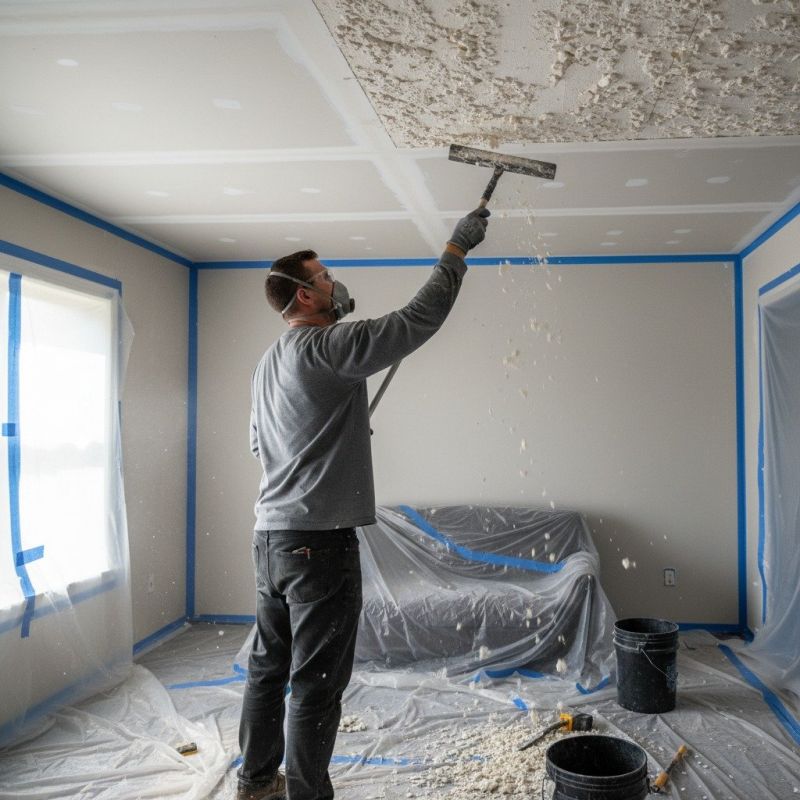
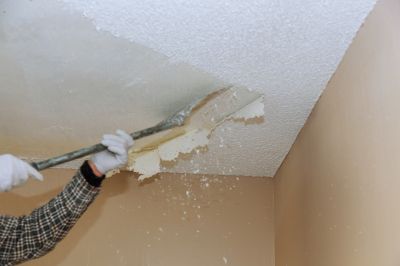
What is ceiling scraping? Ceiling scraping involves removing old paint, texture, or damaged material from ceiling surfaces to prepare for a new finish or repair.
When is ceiling scraping needed? Ceiling scraping is often required when ceilings have peeling paint, cracked texture, or stains that cannot be cleaned or repaired easily.
What types of ceilings can be scraped? It can be performed on various ceiling types, including drywall, plaster, and popcorn ceilings, to improve appearance and prepare for finishing.
Is ceiling scraping messy? Proper techniques and preparation help contain debris, making the process manageable and minimizing mess during the project.
Request Ceiling Scraping in Denver, CO
Use the quote form on this page to share the basics of your project and request more information for the type of work you need.